Beneath the Marble: Congress's Shadow Architecture of Survival
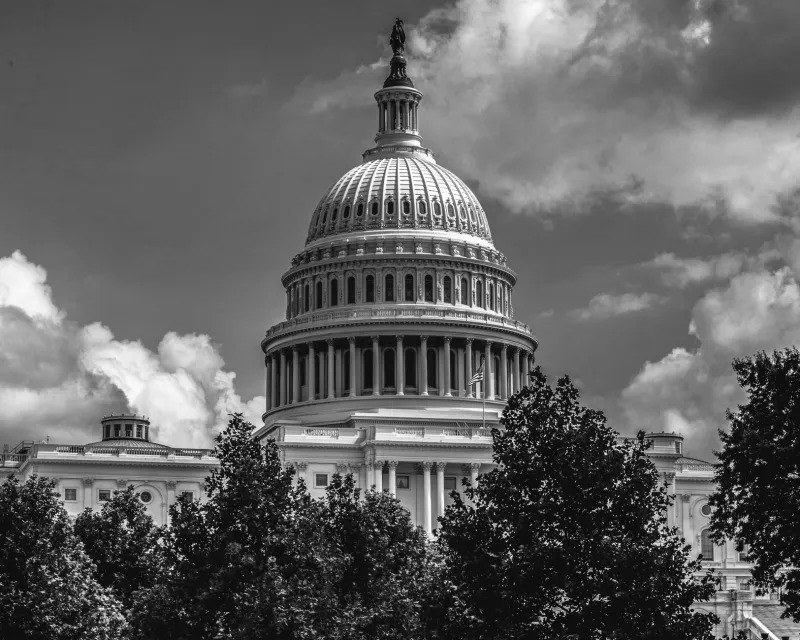
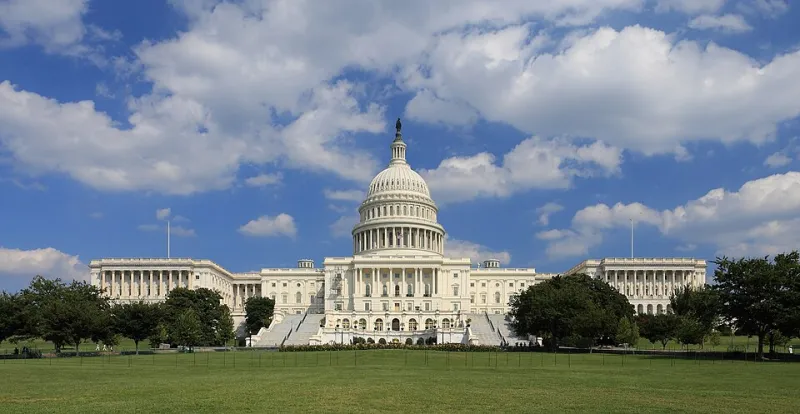
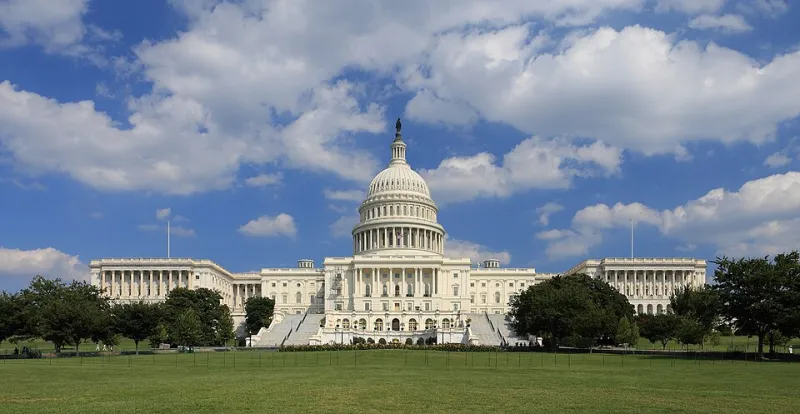
The United States Capitol is a building designed to be seen. Its dome, its rotunda, its ceremonial staircases — all of it is architecture as argument, a declaration that the people's branch has nothing to hide. What far fewer Americans appreciate is that the legislative branch also maintains an architecture designed never to be seen: a dispersed network of hardened facilities, relocation sites, and emergency infrastructure built to keep Congress functioning after the worst day in the republic's history.
Understanding that hidden infrastructure — where it came from, what it includes, and where it falls short — is essential to any honest assessment of institutional resilience.
The Greenbrier Decade of Denial
No episode illustrates the secrecy of congressional continuity planning better than the project hidden inside the Greenbrier Resort in White Sulphur Springs, West Virginia. Beginning in the late 1950s, the federal government quietly constructed an enormous bunker beneath the resort's West Virginia wing: blast doors, decontamination chambers, dormitories, and a broadcast studio intended for a post-attack address to what remained of the nation. Its cover story was a purported television and water project. The facility was maintained in a state of readiness for more than thirty years, with resort employees doubling as maintenance staff under federal contract.
The bunker's existence became public in 1992, when a Washington Post investigation detailed its purpose. Within a few years, the government had ended its lease and the space was converted into exhibition and conference space that guests can now tour. Yet the Greenbrier was never a one-off. It was the most visible remnant of a broader doctrine — relocation site planning — that scattered hardened and pre-positioned facilities across the Appalachian corridor and beyond, all within reach of Washington by rail or highway but far enough to survive a strike on the capital.
What Continuity Infrastructure Actually Looks Like Today
The modern framework is governed by statute and executive directive. The Federal Continuity Directive series, along with the Continuity of Government provisions long embedded in federal law, requires each branch to maintain plans for devolution and reconstitution. For Congress specifically, continuity planning has historically centered on a few pillars:
- Relocation sites: Hardened facilities outside the National Capital Region where legislators and essential staff could convene, vote, and communicate if the Capitol complex were destroyed or rendered unusable.
- Pre-positioned communications: Protected transmission networks designed to link a relocated Congress to the executive branch, state governments, and the public.
- Records and succession documentation: Duplicate holdings of the rolls of Congress, the electoral certificates, and other irreplaceable documents — a lesson learned the hard way when the British burned the Capitol in 1814 and when a plane struck the Pentagon sixty years later.
- Emergency procedures for assembling a quorum: Protocols, tested in exercises rather than in reality, for reconvening a body at an alternate location.
Much of this remains classified in its specifics, and deliberately so. Publicly available detail tends to come from oversight reports and the occasional GAO audit rather than from the agencies themselves.
An Audit Deferred
Here is where the analytical case becomes uncomfortable. The last comprehensive public examination of congressional continuity infrastructure dates back decades. The 9/11 Commission and subsequent congressional studies flagged the vulnerability of the legislative branch, and a bipartisan continuity commission in the mid-2000s recommended constitutional amendments on House vacancies — but the physical plant itself has escaped sustained, independent scrutiny.
Three gaps stand out.
First, the threat model has drifted. The facilities conceived against a Soviet nuclear barrage were not designed with electromagnetic pulse effects, cyber disruption of communications, or precision-guided conventional strikes in mind. Hardening against blast overpressure does not automatically translate to resilience against a compromised network or a denied satellite link.
Second, capacity is untested at scale. A Congress of 535 members, plus officers, staff, and security personnel, is a demanding population to shelter, feed, and equip. Exercises suggest the mechanics of relocation work on paper; no one has demonstrated them with a full legislature under compressed timelines.
Third, transparency has a resilience dividend. Secrecy about locations is defensible. Secrecy about capabilities — whether a relocated Congress could actually certify an election, confirm appointments, or communicate with the public — is not. Members cannot oversee what they cannot see, and the public cannot have confidence in a mechanism it is told nothing about.
A Recommendation Worth Making
The sensible path forward is neither alarm nor complacency. Congress should commission a periodic, classified-but-briefed audit of legislative continuity infrastructure — comparable to the base realignment reviews used by the Defense Department — with findings shared with the relevant oversight committees and summarized in unclassified form. States already do versions of this with their own emergency succession statutes; the federal legislature should hold itself to a similar standard of self-examination.
The Greenbrier bunker is now a tourist attraction, its blast doors a curiosity for resort guests. That is, in its way, a healthy outcome: the Cold War's most secret congressional insurance policy became an open lesson in how democracies prepare for the worst. The next generation of continuity infrastructure deserves the same eventual honesty — planned in confidence, but judged in daylight.